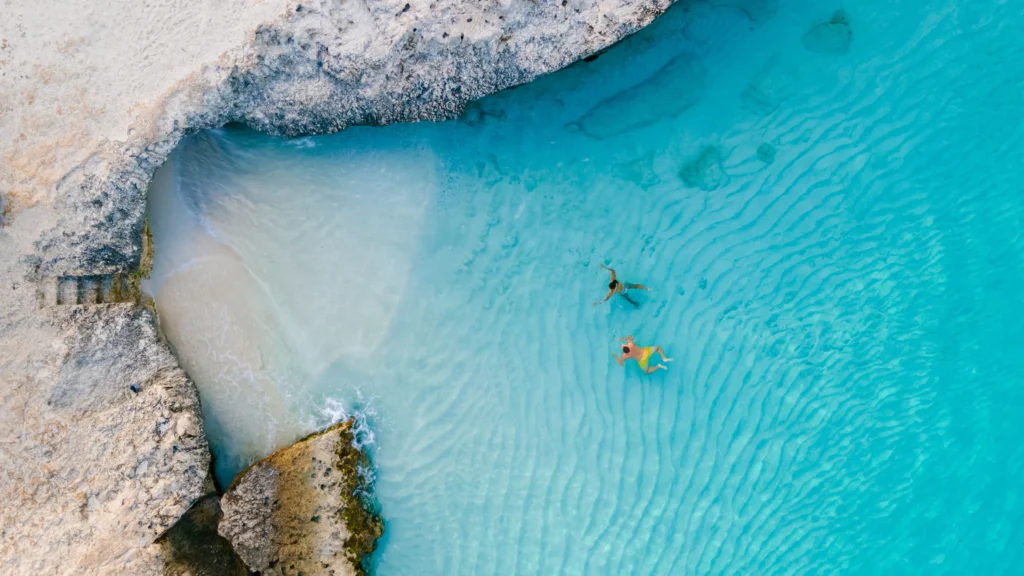
15 Best Things to Do in Aruba

Travel Expert
Aruba, with its pristine beaches, rugged landscapes, and rich cultural heritage, offers a perfect blend of relaxation and adventure. This Dutch Caribbean island, known for its year-round sunny weather and gentle cooling breezes, has something for every type of traveler. From its world-famous white-sand beaches to historic sites and natural wonders, Aruba promises unforgettable experiences. Here’s your ultimate guide to the top 15 activities you can’t miss when visiting “One Happy Island.”
1. Eagle Beach

Eagle Beach stands as Aruba’s most iconic and celebrated beach, consistently ranked among the world’s best. This pristine stretch of powdery white sand offers a picture-perfect Caribbean setting with crystal-clear turquoise waters and swaying divi-divi trees.
The wide shoreline provides plenty of space for visitors to spread out, making it less crowded than some neighboring beaches. Eagle Beach is also home to several sea turtle nesting sites, marked by protective barriers during nesting season (typically March through September). If you’re lucky, you might witness baby turtles hatching and making their journey to the sea.
Water activities abound here, from swimming in the calm waters to various watersports. Many hotels and restaurants are within walking distance, though the beach maintains its natural beauty without feeling overdeveloped.
Price: Free access
Pro Tip: Visit early morning or late afternoon to avoid the midday heat and crowds. The sunset views here are particularly spectacular.
2. Arikok National Park

Covering nearly 20% of the island, Arikok National Park showcases Aruba’s diverse landscapes and natural heritage. This ecological preserve features dramatic coastlines, desert-like terrain with cacti, unique geological formations, and fascinating wildlife.
The park is home to several must-see attractions, including natural pools, hidden beaches, ancient caves with indigenous Arawak petroglyphs, and stunning viewpoints. Fontein Cave and Quadirikiri Cave offer glimpses into the island’s geological past and indigenous history, while the natural pool known as “Conchi” provides a thrilling swimming experience amid crashing waves.
Hiking trails of varying difficulties crisscross the park, allowing visitors to explore at their own pace. For the full experience, consider hiring a guide who can share insights about the park’s flora, fauna, and historical significance.
Price: $11 entrance fee per person
Pro Tip: Rent a 4×4 vehicle to navigate the rugged terrain, and bring plenty of water as the arid climate can be deceptively dehydrating.
3. Palm Beach

Palm Beach represents Aruba’s lively, resort-lined stretch of paradise. This two-mile-long strip boasts soft white sand, calm waters perfect for swimming, and a vibrant atmosphere that appeals to those seeking both relaxation and entertainment.
The beach is flanked by high-rise hotels, restaurants, bars, and shopping centers, making it a convenient hub for tourists. Water activities are plentiful here, including parasailing, jet skiing, banana boat rides, and paddleboarding. The calm, shallow waters make it particularly family-friendly.
After sunset, Palm Beach transforms into a nightlife hotspot, with many resorts offering beachfront dining, live music, and entertainment. The area is also home to several casinos for those feeling lucky.
Price: Free access, though beach chairs and umbrellas are available for rent
Pro Tip: For a quieter experience, head to the northern end of Palm Beach, which tends to be less crowded than the central area.
4. Oranjestad (Downtown)

Aruba’s charming capital city blends Dutch colonial architecture with vibrant Caribbean colors and influences. Oranjestad offers a delightful mix of historical sites, shopping opportunities, and cultural experiences.
Start at the historic Fort Zoutman and Willem III Tower, Aruba’s oldest building (dating back to 1798), which now houses the Historical Museum. Stroll along the marina to admire luxury yachts and colorful fishing boats, or hop on the free trolley that loops through the main shopping and historical districts.
The city’s Main Street (Caya G.F. Betico Croes) and Renaissance Mall offer everything from high-end boutiques to local craft shops. For an authentic experience, visit the local marketplace where vendors sell fresh produce, seafood, and handicrafts.
Price: Free to explore; museum entrance fees vary
Pro Tip: Visit on Thursday evenings for the Bon Bini Festival at Fort Zoutman, featuring local music, dance, food, and crafts.
5. California Lighthouse
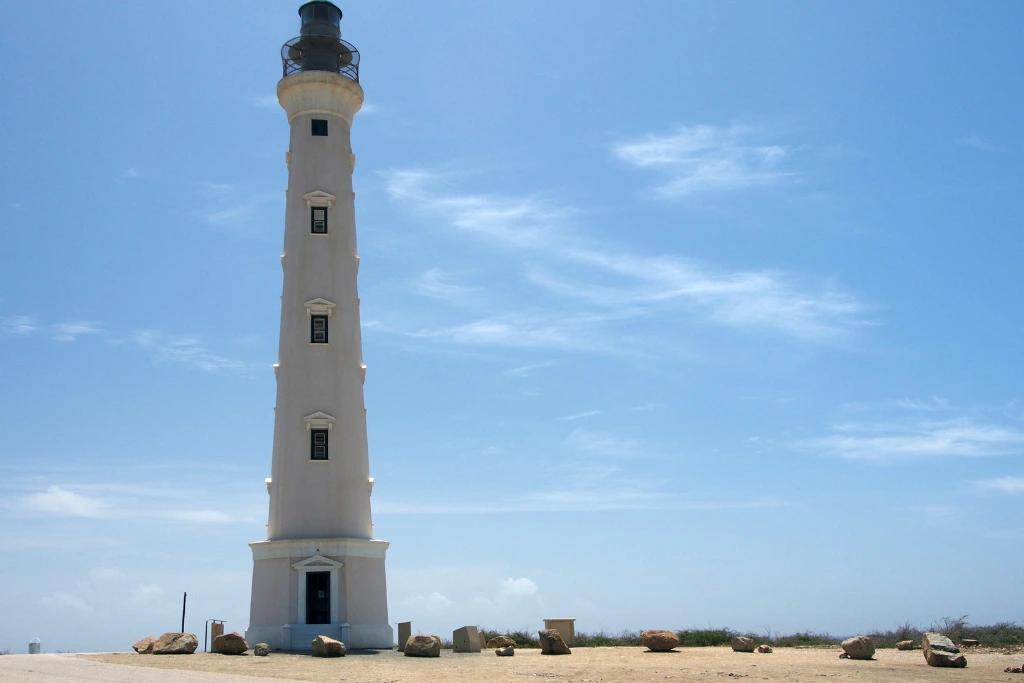
Perched on the northwestern tip of Aruba, the California Lighthouse stands as a sentinel overlooking the island’s rugged coastline. Named after the steamship California, which sank nearby in 1891, this iconic structure dates back to 1916.
The lighthouse offers panoramic views of the island’s western coastline, including sandy beaches, golf courses, and the rolling waves of the Caribbean Sea. The surrounding area, known as “Hudishibana,” features dramatic limestone cliffs and crashing waves that create a striking contrast to Aruba’s calmer beaches.
Recently restored, visitors can now climb to the top of the lighthouse for an even more impressive vantage point (guided tours available). The area has also become a popular spot for romantic dinners, with the nearby restaurant La Trattoria el Faro Blanco offering Italian cuisine with sunset views.
Price: $5 to climb the lighthouse
Pro Tip: Visit around sunset for the most stunning photo opportunities and a more romantic atmosphere.
6. Alto Vista Chapel

Known as the “Pilgrim’s Church,” the Alto Vista Chapel sits on the hills of the northern coast, providing a peaceful sanctuary with historical significance. The bright yellow chapel, set against the backdrop of the Caribbean Sea, was built on the site of the first Catholic church in Aruba, originally established by Spanish missionaries in 1750.
The current structure, dating from 1952, remains an important place of worship and pilgrimage for locals. The winding road leading to the chapel is lined with white crosses representing the Stations of the Cross, creating a meaningful approach for visitors.
The chapel’s hillside location offers stunning views of Aruba’s north coast, making it not only a spiritual destination but also a scenic one. The peaceful atmosphere invites reflection, regardless of religious affiliation.
Price: Free (donations appreciated)
Pro Tip: Tuesday evenings feature a special candlelight service that creates a particularly moving experience. The chapel is small, so try to avoid tour group hours.
7. The Butterfly Farm

Step into a tropical paradise filled with hundreds of exotic butterflies from around the world at Aruba’s enchanting Butterfly Farm. This enclosed garden houses countless colorful species fluttering freely among lush vegetation and tranquil pools.
Guided tours provide fascinating insights into the butterfly life cycle, from egg to caterpillar to chrysalis to adult butterfly. Visitors might even witness butterflies emerging from their chrysalises or see them feeding on fruit and nectar. The knowledgeable guides share information about butterfly conservation and the importance of these pollinators.
The farm creates a magical experience, especially for children, as butterflies often land on visitors’ shoulders, hands, or heads. The tropical garden setting, with its flowers and water features, offers a refreshing respite from Aruba’s sun-drenched beaches.
Price: Adults $15, Children $8
Pro Tip: Visit in the morning when butterflies are most active. Wear bright colors (especially red, pink, or orange) to attract them.
8. Antilla Shipwreck (Snorkeling & Diving)

The Antilla shipwreck offers one of the Caribbean’s most accessible and impressive wreck diving and snorkeling experiences. Known as the “Ghost Ship,” this 400-foot German freighter was scuttled during World War II when its captain chose to sink the vessel rather than surrender it to Allied forces.
Lying in relatively shallow waters (30-60 feet), the Antilla has transformed into an artificial reef teeming with marine life. Colorful coral formations have taken over the structure, attracting angelfish, yellowtail snapper, moray eels, and numerous tropical fish species.
Even snorkelers can appreciate parts of the wreck from the surface, though diving provides the full experience of exploring its massive boilers, cargo holds, and deck. Several tour operators offer snorkeling and diving excursions to the site, typically including equipment rental and professional guidance.
Price: Snorkeling tours from $45, diving excursions from $90
Pro Tip: Book a morning tour when waters tend to be calmer and visibility is typically at its best.
9. Donkey Sanctuary Aruba

The Donkey Sanctuary provides a heartwarming experience for animal lovers while highlighting Aruba’s commitment to protecting its wildlife. These donkeys, once the primary mode of transportation on the island, were left to roam wild as cars became common. The sanctuary now protects and cares for roughly 130 donkeys.
Visitors can interact with these friendly creatures, pet them, and even feed them (food provided by the sanctuary). The donkeys, each with unique personalities, often approach visitors curiously. Educational displays explain the historical importance of donkeys to Aruba and the challenges they’ve faced.
The non-profit organization relies entirely on donations and volunteer work, making visitor contributions vital to their continued operation. The gift shop offers donkey-themed souvenirs, with proceeds supporting animal care.
Price: Free (donations highly encouraged)
Pro Tip: Visit in the morning hours when the donkeys are most active and eager to interact. Bring carrots or apples if you’d like to treat them (though the sanctuary provides approved food).
10. Philip's Animal Garden

This non-profit exotic animal rescue and rehabilitation center offers a unique opportunity to get up close with over 50 species of rescued exotic animals. Founded by local Aruban Philip Merryweather, the garden provides a safe haven for animals that were illegally kept as pets or rescued from poor conditions.
Visitors can observe and interact with various species including monkeys, big cats (in appropriate enclosures), snakes, tropical birds, kangaroos, and more. The guided tours provide educational information about each species, their natural habitats, and the circumstances of their rescue.
What makes this experience special is the obvious passion of the staff and the focus on education and conservation rather than entertainment. Visitors leave with a greater appreciation for wildlife protection efforts.
Price: Adults $10, Children $5
Pro Tip: Purchase feed cups at the entrance to have a more interactive experience with some of the animals. Call ahead to confirm feeding times for the most active animal interactions.
11. Natural Bridge (Baby Bridge)

While Aruba’s famous original Natural Bridge collapsed in 2005, the smaller “Baby Bridge” nearby continues to showcase the island’s fascinating geological features. Formed over centuries by pounding waves and strong winds eroding the limestone cliffs, this natural formation spans across a section of the rugged north coast.
The surrounding area, with its dramatic landscape of limestone formations and crashing waves, provides an excellent contrast to Aruba’s serene beaches. The wild, untamed beauty of this coastline offers fantastic photo opportunities and a glimpse into the powerful natural forces that have shaped the island.
Nearby, you’ll find remnants of the original Natural Bridge, which was once one of the largest natural spans in the Caribbean. The site now includes a small gift shop and snack bar where you can enjoy refreshments while taking in the scenic views.
Price: Free
Pro Tip: Combine this visit with other north coast attractions like the Bushiribana Gold Mill Ruins and Ayo Rock Formations. The area can be windy, so secure loose items and wear sun protection.
12. Bushiribana Gold Mill Ruins
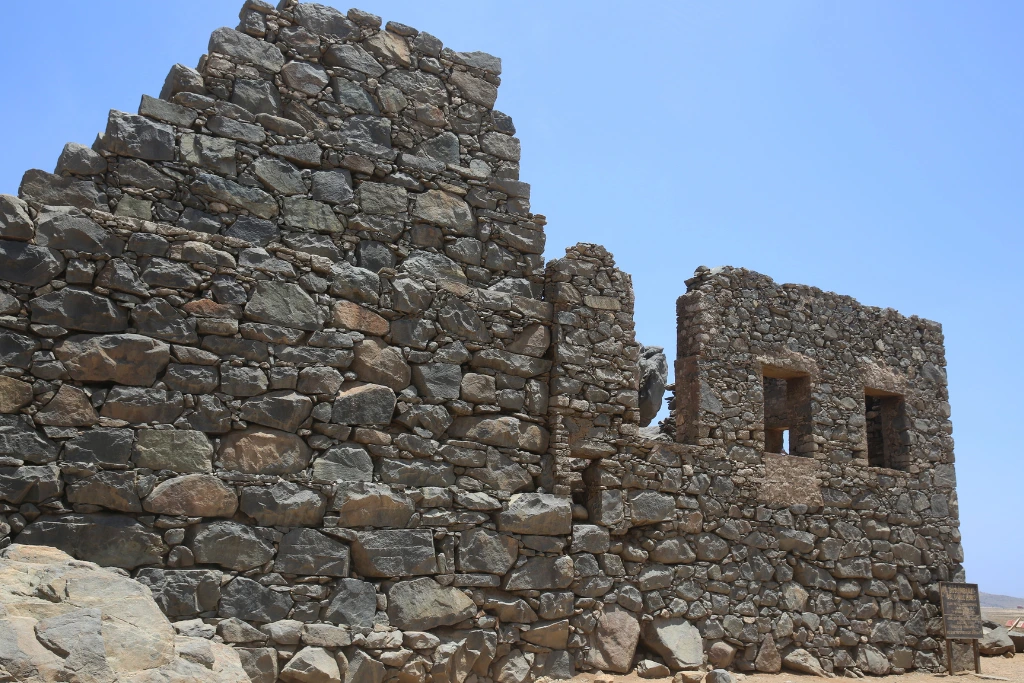
These historic ruins offer a fascinating glimpse into Aruba’s gold rush era of the 19th century. Built in 1872 by the Aruba Island Gold Mining Company, the Bushiribana smelter processed gold from nearby mines for nearly a decade during Aruba’s gold boom.
Today, the stone ruins stand as a testament to this important period in the island’s economic history. The structure’s design resembles a medieval fortress, making it a distinctive landmark against the rugged northeastern coastline. Visitors can explore the various chambers, climb to viewing points, and imagine the bustling activity that once took place here.
The site offers excellent views of the surrounding countryside and coastline, with waves crashing dramatically against the rocky shore. Information panels provide historical context, explaining the gold mining processes and the significance of the industry to Aruba’s development.
Price: Free
Pro Tip: Bring water and sun protection as there’s little shade. The early morning offers the best lighting for photographs and cooler temperatures for exploring.
13. Mangel Halto Beach (Snorkeling)

This hidden gem offers a more secluded beach experience away from the island’s more touristic areas. Mangel Halto Beach features shallow, crystal-clear waters protected by a barrier reef and mangrove forests, creating ideal conditions for snorkeling and paddleboarding.
The beach itself is small but charming, with patches of soft white sand interspersed with wooden sundecks built among the mangroves. Shade is plentiful thanks to the mangrove trees, making this a comfortable spot even during the heat of the day.
What truly distinguishes Mangel Halto is its snorkeling. Just offshore, vibrant coral gardens teem with tropical fish, and the protected waters make this accessible even for beginner snorkelers. The reef drops off into deeper water, providing interesting underwater topography for more experienced swimmers to explore.
Price: Free
Pro Tip: Bring water shoes to navigate some rocky areas comfortably. Visit during weekdays to avoid local crowds, as this is a favorite weekend spot for Aruban families.
14. Ayo and Casibari Rock Formations

These mysterious megalithic rock formations rise dramatically from the otherwise flat landscape, creating an almost otherworldly scene in Aruba’s interior. Both Ayo and Casibari (located a short drive from each other) feature massive tonalite boulders balanced in seemingly impossible arrangements, some reaching heights of over 30 feet.
Walking paths and steps have been constructed through the formations, allowing visitors to climb among and even atop the giant rocks. Reaching the highest points rewards adventurers with panoramic views across the island all the way to the coastline.
The formations held spiritual significance for the indigenous Arawak people, and some rocks bear ancient petroglyphs. The unusual acoustics created by the rock arrangements have inspired theories about their possible use in ceremonies or as astronomical markers.
Price: Free
Pro Tip: Wear comfortable closed-toe shoes for climbing the formations. Visit early morning or late afternoon to avoid the midday heat, as there’s limited shade. Sunset at Casibari offers spectacular photo opportunities.
15. Aruba Aloe Factory & Museum
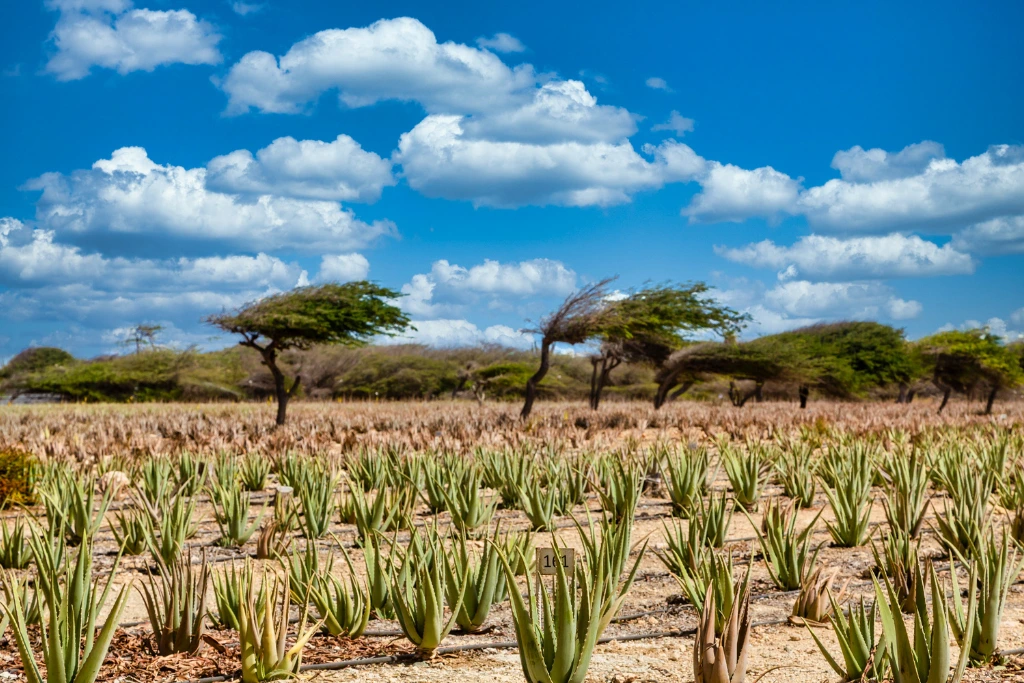
Discover the “Aloe Island’s” 175-year history with this iconic plant at the Aruba Aloe Factory and Museum. Established in 1890, this is one of the oldest aloe companies in the world, and Aruba’s aloe products are renowned for their exceptional quality.
The facility offers fascinating guided tours showing the entire production process, from the cultivation of aloe plants in the adjacent fields to harvesting, processing, and manufacturing final products. Guides explain how the island’s climate creates ideal growing conditions for particularly potent aloe vera.
The museum portion details the historical importance of aloe to Aruba’s economy, especially after the gold mining industry declined. Visitors learn about traditional and modern aloe processing methods and the plant’s various medicinal and cosmetic applications through interactive displays.
Price: Free guided tours
Pro Tip: Take advantage of the factory store to purchase authentic Aruban aloe products at better prices than souvenir shops. The demonstrations of aloe cutting and gel extraction usually take place in the morning.
Insider Tips & Hidden Gems
Beyond the main attractions, Aruba offers several lesser-known experiences worth seeking out:
- San Nicolas Art District: Aruba’s “Sunrise City” has transformed into a vibrant arts district with striking murals and galleries, offering a cultural contrast to the resort areas.
- Guadirikiri Cave: Less visited than other caves, this limestone formation features two large chambers illuminated by natural skylights, creating magical light beams.
- Rodgers Beach: A quiet alternative to the popular beaches, frequented primarily by locals and offering authentic Aruban atmosphere with excellent snorkeling.
- Aruba Ostrich Farm: An unusual attraction where you can learn about these fascinating birds and even feed them on guided tours.
- Rancho Daimari: Located near Arikok National Park, this historic coconut plantation offers horseback riding through diverse landscapes, including secluded beaches not accessible by car.
Conclusion
Aruba truly deserves its nickname of “One Happy Island” with its diverse range of activities catering to every interest. From relaxing on world-class beaches to exploring rugged natural wonders, from interacting with wildlife to immersing yourself in local culture and history, Aruba packs an impressive array of experiences into its compact 70 square miles.
The island’s consistent climate means there’s never a bad time to visit, though the peak tourist season runs from December to April. With its blend of natural beauty, adventure opportunities, and cultural experiences, Aruba promises memories that will last long after your tan fades.
Ready to plan your Aruban adventure? Check out our guides to “Best Hotels in Aruba” and “Best Restaurants in Aruba” to complete your trip planning.