Barcelona is a city rich in art, history, and culture, home to some of the most renowned museums in Europe. Whether you’re fascinated by Picasso’s masterpieces, contemporary art, or Catalan history, this guide to the best Barcelona museums will help you plan an unforgettable visit. From world-famous art museums to hidden cultural gems, these are the must-visit museums in Barcelona.

Travel Expert
Barcelona’s museums tell the story of the city’s artistic brilliance, deep-rooted history, and innovative spirit. Whether you want to explore the Picasso Museum Barcelona, admire contemporary art at MACBA, or visit the Barcelona History Museum (MUHBA), there’s something for every culture lover. Many museums are housed in stunning historic buildings, adding to the experience.
Read our full Barcelona travel guide here, which includes:
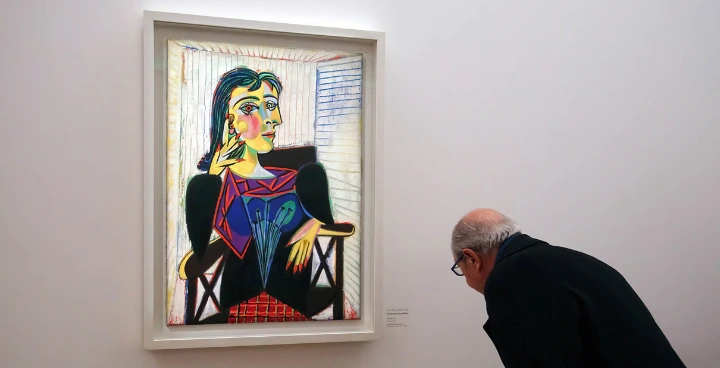
The Picasso Museum Barcelona is one of the most visited museums in the city, offering a deep dive into the early works of Pablo Picasso. Located in the El Born district, the museum is housed in five beautifully restored medieval mansions, adding to its historic charm. The collection features over 4,000 pieces, showcasing Picasso’s artistic evolution from his childhood sketches to his Blue Period masterpieces. A highlight is the “Las Meninas” series, a unique reinterpretation of Velázquez’s classic painting. The museum is a must-visit for art lovers and an essential stop for those wanting to understand Picasso’s artistic journey.
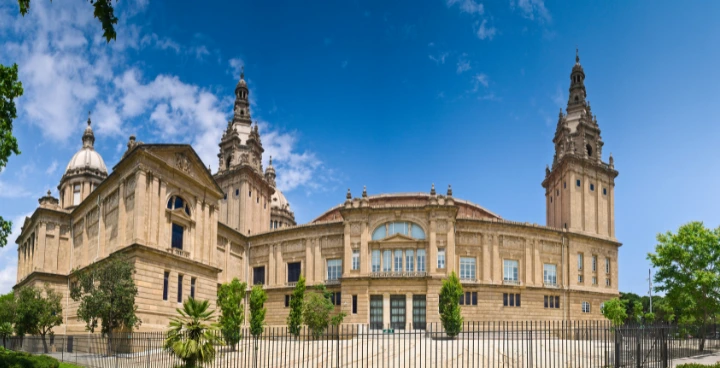
The Museu Nacional d’Art de Catalunya (MNAC) is one of the most important art museums in Barcelona, offering a vast collection of Catalan art from the Romanesque period to the 20th century. Housed in the majestic Palau Nacional on Montjuïc Hill, the museum is best known for its stunning Romanesque frescoes, carefully preserved from medieval churches across Catalonia. The collection also includes Gothic, Renaissance, and Baroque masterpieces, as well as works by modernist artists like Gaudí and Casas. Visitors can also enjoy breathtaking panoramic views of Barcelona from the museum’s terrace, making it a must-visit for art and history lovers alike.
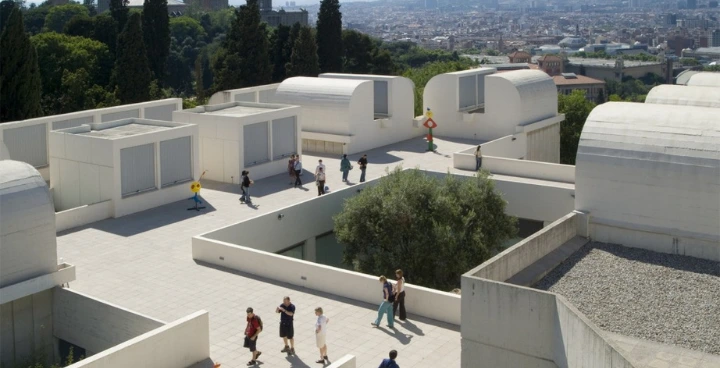
The Fundació Joan Miró Barcelona is a must-visit for modern art enthusiasts, showcasing the works of Joan Miró, one of Spain’s most influential artists. Located on Montjuïc Hill, the museum was founded by Miró himself and features an extensive collection of his paintings, sculptures, drawings, and textiles. The building, designed by Josep Lluís Sert, is a masterpiece of modernist architecture, complementing Miró’s bold and surreal artistic style. The museum offers an immersive experience into Miró’s creative process, highlighting his use of vibrant colors, abstract forms, and symbolic imagery. It’s a cultural gem that provides insight into Barcelona’s avant-garde art scene.
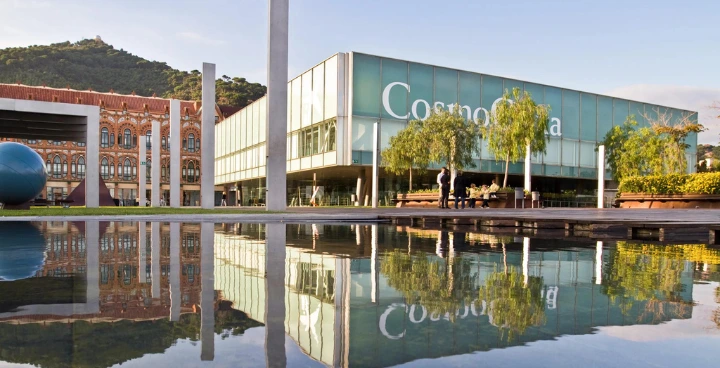
The CosmoCaixa Barcelona is one of the most exciting and interactive science museums in Spain, offering a hands-on experience for visitors of all ages. Located in the Sant Gervasi district, this museum is known for its innovative exhibits, immersive displays, and educational workshops. One of the highlights is the Flooded Forest, a recreated Amazonian rainforest with real plants, animals, and a climate-controlled ecosystem. Other popular attractions include the Planetarium, the Touch the Moon exhibit, and interactive science experiments. With its engaging approach to learning, CosmoCaixa Barcelona is a perfect destination for families, science enthusiasts, and curious minds.

The Casa Vicens Barcelona is a hidden gem and one of Antoni Gaudí’s first major architectural works. Located in the Gràcia district, this stunning house was built between 1883 and 1885 as a summer residence and showcases Gaudí’s early modernist style. The building stands out with its bright colors, intricate tilework, and Moorish-inspired design, reflecting Gaudí’s fascination with natural elements and decorative details. Inside, visitors can explore beautifully restored rooms, original furnishings, and a peaceful garden that enhances the experience. As a UNESCO World Heritage Site, Casa Vicens is a must-visit for architecture lovers and those interested in Gaudí’s artistic evolution.
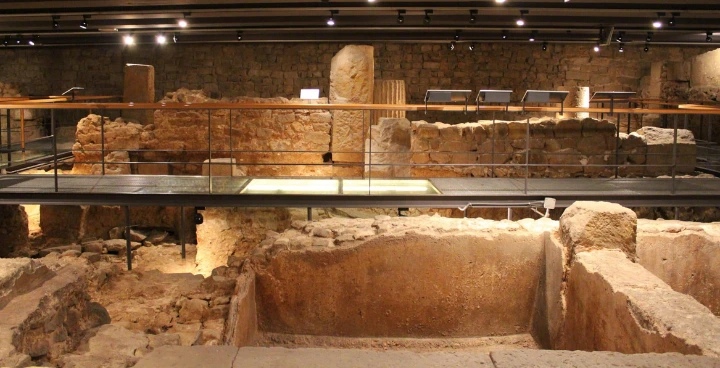
The Historical Museum of Barcelona (MUHBA) offers a fascinating journey through over 2,000 years of the city’s history, from its Roman origins to the present day. Located in the Gothic Quarter’s Plaça del Rei, the museum’s main site allows visitors to walk through well-preserved underground Roman ruins, including ancient streets, wine-making facilities, and parts of the old city walls. MUHBA also manages several historical sites across Barcelona, such as the Temple of Augustus and the Roman Aqueduct. This museum is perfect for history enthusiasts wanting to explore the hidden layers of Barcelona’s past and understand its cultural evolution.
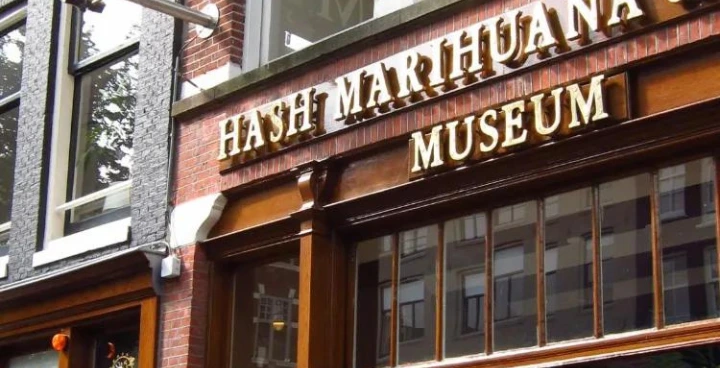
The Hash Marihuana & Hemp Museum Barcelona is a unique museum dedicated to the history, culture, and uses of the cannabis plant. Located in a stunning modernist palace in the Gothic Quarter, this museum showcases an extensive collection of artifacts, artwork, and historical documents related to hemp and marijuana. Exhibits explore the plant’s role in medicine, industry, and culture, from ancient civilizations to modern legalization movements. Visitors can learn about the scientific, economic, and artistic impact of cannabis while admiring the beautifully restored interiors of the building. This museum offers an informative and eye-opening experience for those interested in cannabis history.
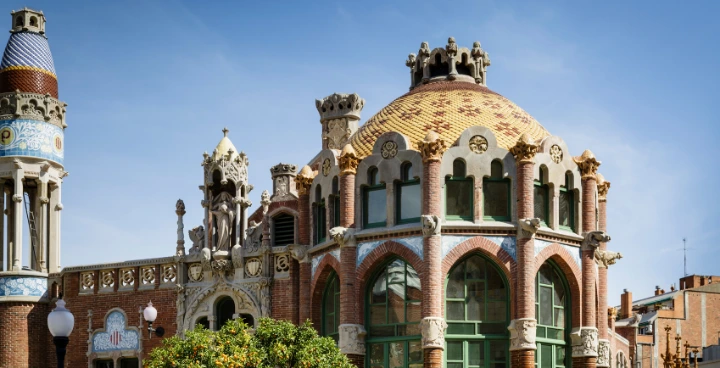
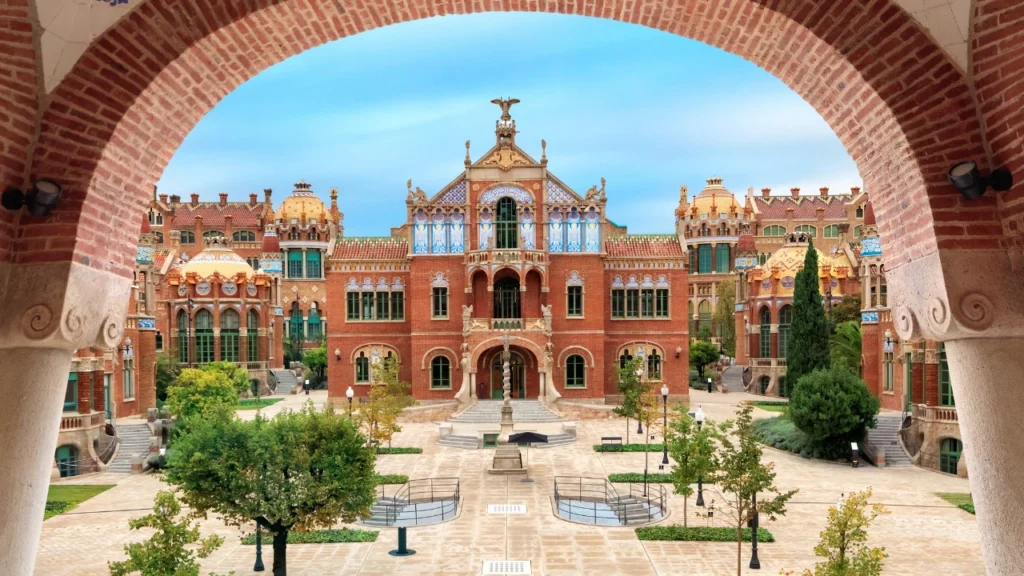
The Hospital de Sant Pau Barcelona is one of the city’s most stunning modernist architectural landmarks and a UNESCO World Heritage Site. Designed by Lluís Domènech i Montaner, this former hospital complex is a masterpiece of Catalan modernism, featuring colorful mosaics, intricate stained glass, and beautifully sculpted facades. Built between 1902 and 1930, it was originally a fully functioning hospital and is now open to the public as a cultural and historical site. Visitors can explore the impressive pavilions, underground tunnels, and tranquil gardens, all designed to enhance healing and well-being. The Hospital de Sant Pau is a must-visit for architecture lovers.
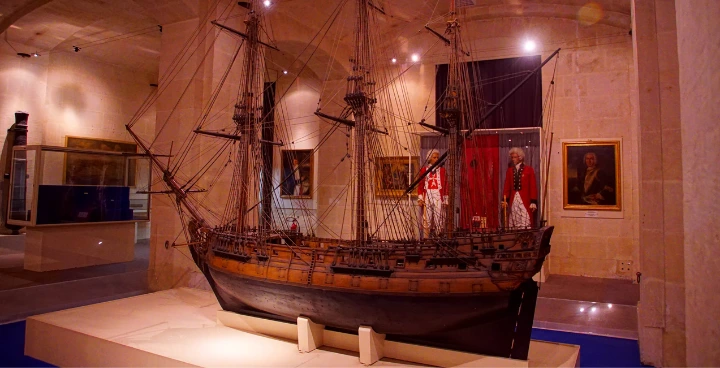
The Maritime Museum of Barcelona is a fascinating destination for anyone interested in the city’s rich seafaring history. Located in the historic Royal Shipyards (Drassanes Reials) near the port, this museum showcases Barcelona’s strong maritime heritage through life-sized ship replicas, navigational instruments, and interactive exhibits. One of the highlights is the full-scale replica of the 16th-century Royal Galley of John of Austria, an impressive warship used in the Battle of Lepanto. The museum also features exhibits on exploration, trade, and shipbuilding, offering a deep dive into the city’s connection with the sea. It’s a must-visit for history and maritime enthusiasts.
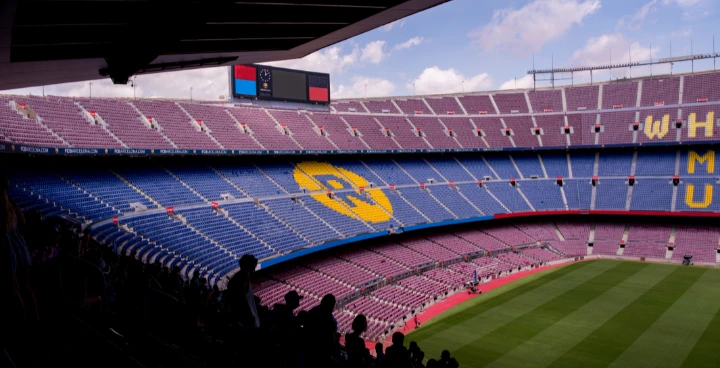
The Camp Nou Barcelona is more than just a stadium—it’s a shrine for football lovers and the home of FC Barcelona, one of the world’s most legendary clubs. Opened in 1957, it is Europe’s largest stadium, with a capacity of over 99,000 seats. Visitors can explore the FC Barcelona Museum, which showcases trophies, historic memorabilia, interactive displays, and multimedia exhibits highlighting the club’s greatest moments. The Camp Nou Experience Tour allows fans to walk through the players’ tunnel, locker rooms, and press areas, offering a behind-the-scenes look at this iconic venue. For football enthusiasts, Camp Nou is an unforgettable experience.
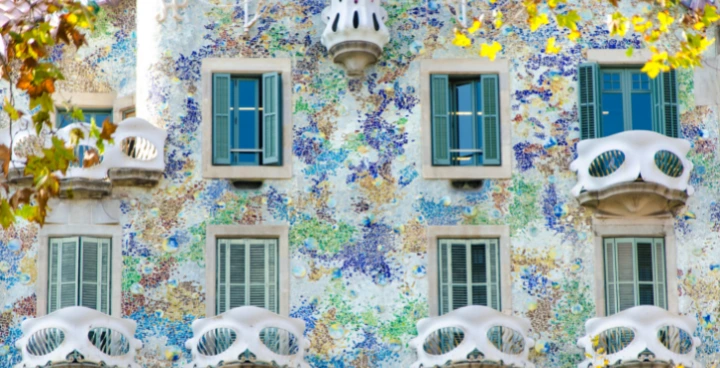
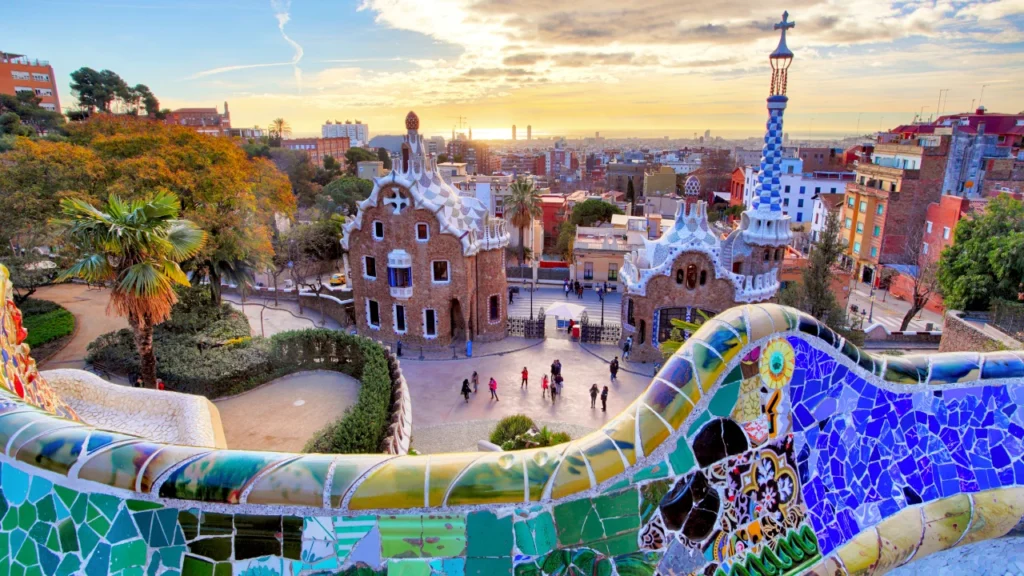
The Casa Museu Gaudí Barcelona is a must-visit for those wanting to learn more about the life and work of Antoni Gaudí. Located within Park Güell, this house served as Gaudí’s residence for nearly 20 years, from 1906 to 1925. The museum offers an intimate look at his personal life and showcases furniture, objects, and design elements that reflect his architectural vision. Visitors can explore rooms filled with original pieces designed by Gaudí, including chairs, doors, and decorative elements from buildings like Casa Batlló and Casa Milà. Set in the picturesque surroundings of Park Güell, this museum is a perfect stop for architecture enthusiasts.

The Barcelona Erotic Museum is one of the city’s most unique and intriguing cultural attractions, dedicated to the history of eroticism and human sexuality. Located on La Rambla, this museum offers a fascinating collection of over 800 artifacts, including historic artwork, sculptures, photography, and interactive exhibits that explore sexuality across different cultures and time periods. Highlights include pieces from ancient civilizations, vintage erotic films, and contemporary erotic art. The museum aims to educate and entertain visitors in a playful yet informative way. With its bold and artistic approach, the Barcelona Erotic Museum provides an unconventional and eye-opening experience.
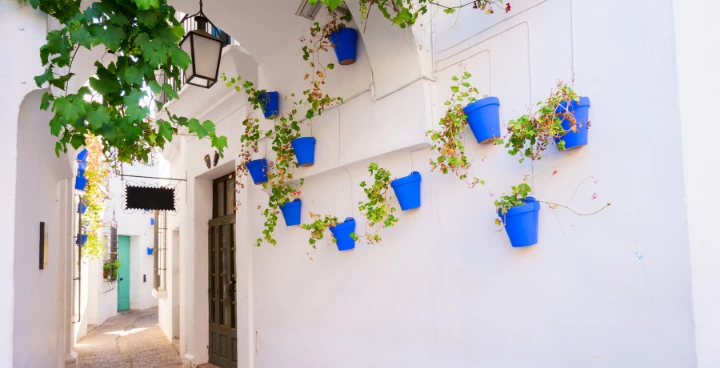
The Poble Espanyol Barcelona is an open-air architectural museum that offers a journey through the diverse cultures and traditions of Spain. Built in 1929 for the Barcelona International Exhibition, it features 117 full-scale replicas of traditional buildings from different regions of the country, including Andalusian courtyards, Castilian plazas, and Catalan monasteries. Located on Montjuïc Hill, this unique attraction also showcases artisan workshops, cultural exhibitions, and live performances, giving visitors a taste of Spain’s rich heritage. The museum is home to local craft shops, traditional Spanish restaurants, and even a contemporary art space, making Poble Espanyol a perfect destination for culture lovers.
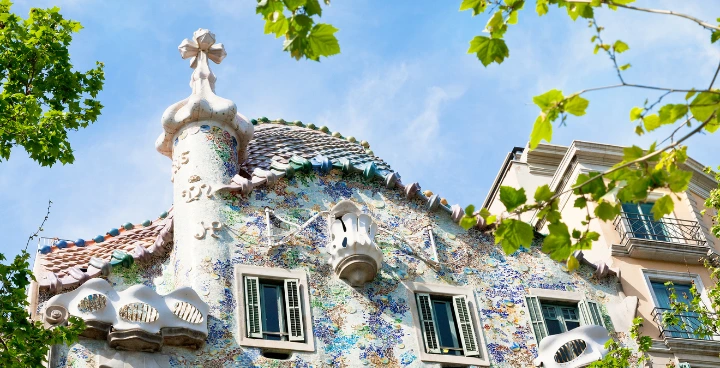
The Casa Batlló Barcelona is one of Antoni Gaudí’s most iconic architectural masterpieces, located on the famous Passeig de Gràcia. Built between 1904 and 1906, this UNESCO World Heritage Site is known for its organic shapes, vibrant colors, and surreal design, inspired by nature and Catalan folklore. The building’s wavy façade, covered in colorful mosaic tiles, resembles the scales of a dragon, while its curved windows and skeletal balconies create an otherworldly effect. Inside, visitors can explore Gaudí’s innovative design elements, skylights, and stained-glass windows, all enhancing the play of light and space. A visit to Casa Batlló is a must for architecture enthusiasts.

The Chocolate Museum Barcelona is a delightful and educational experience for chocolate lovers of all ages. Located in the El Born district, this museum explores the history, production, and cultural significance of chocolate in Europe. Visitors can learn about cacao’s origins in Mesoamerica, its introduction to Spain in the 16th century, and its evolution into the sweet treat we know today. The museum showcases impressive chocolate sculptures, from famous Barcelona landmarks to artistic creations. Interactive exhibits allow guests to see the chocolate-making process and even participate in tastings. A visit to the Chocolate Museum is a fun and flavorful journey through history.